However, with the right lifestyle changes, support systems and assistive solutions, you can overcome these mobility challenges. It’s not about doing everything for your elderly parents that keeps them active and independent. It is about creating a space where it feels safer and easier to move around, and where it is more comfortable.
Here’s how families can actively help elderly parents stay mobile while maintaining dignity and quality of life.
Understand the Root Cause of Mobility Issues
Before making changes to the lifestyle, it is important to understand the reasons for which mobility is becoming difficult in elderly parents and how to help elderly parents maintain mobility. As we age we naturally lose muscle strength, joint flexibility, balance and stamina. But there can be other contributing factors as well such as:
- Arthritis and joint pain
- Weak muscles and reduced bone density
- Neurological conditions
- Poor balance and fear of falling
- Recovery after surgery or illness
- Weight-related strain on the body
Many elderly individuals begin limiting their movement because they fear injuries or falls. Over time, this lack of movement can worsen stiffness and reduce strength further.
Recognizing these early signs helps families take timely action instead of waiting until mobility becomes severely restricted.
Encourage Regular Movement
One of the biggest mistakes families make is to encourage seniors to “rest too much.” Rest is important, but too much of inactivity can quickly weaken muscles and joints.
Gentle movement should be a part of every day. Even small activities can make a big difference over time.
Some appropriate activities for mobility are:
- Short walks daily
- Stretching
- Chair yoga
Soft physiotherapy routines like
- Indoor walk sessions
- Water-based activities
The aim is consistency, not intensity. Elderly people should only move in ways that feel manageable and safe for their body condition.
Improves regular movement:
- Circulation
- Muscle power
- Flexibility of joints
- Coordination and balance
- Mental Wellbeing
Make Home Mobility-Friendly
It is very important to have a safe environment to help seniors to move independently. Many falls occur in the home due to preventable hazards.
Simple changes can make a huge difference to safety and comfort. Key Home Improvements
Trip Hazards
- Clear away loose rugs and exposed wires
- Clear floors of clutter
- Provide sufficient lighting in corridors and stairways
Support Features Installation
- Grab bars in bathrooms
- Hand rails on stairs
- Anti-slip mats
- Toilet seats if needed, raised
Focus on Nutrition and Bone Health
Elder mobility is closely related to physical strength. Malnutrition can lead to more rapid muscle weakness and fatigue in the elderly.
Eat a well-balanced nutrient-rich diet to help the elderly move and feel better. Key nutrients being:
- Calcium for bone strength
- Vitamin D for bones and muscle function
- Protein for muscle maintenance
- Omega 3 Fatty Acids for Joint Health
- Hydration for bodily functions
Families should also be alert to unexpected weight loss, weakness or fatigue, which may point to health problems that underlie mobility difficulties.
Support Emotional Confidence
Mobility challenges are not only physical. Many elderly parents experience emotional hesitation after falls, surgeries, or injuries. They may avoid movement because they feel vulnerable or dependent.
This emotional fear can slowly reduce independence.
Instead of constantly warning them to “be careful,” encourage positive reinforcement:
- Appreciate small progress
- Encourage independence wherever possible
- Avoid making them feel incapable
- Include them in outdoor activities and family outings
Prioritize Safe Transportation
Among the various challenges faced by older adults every day is the difficulty in getting into and out of vehicles. Travelling by vehicle can start out stressful because an elder adult may have: difficulty bending or flexing their knees, difficulty bringing their leg up to step into a car or high vehicle; or difficulty twisting or turning.
As time goes on, older adults may not want to go out because they feel uncomfortable using transportation.
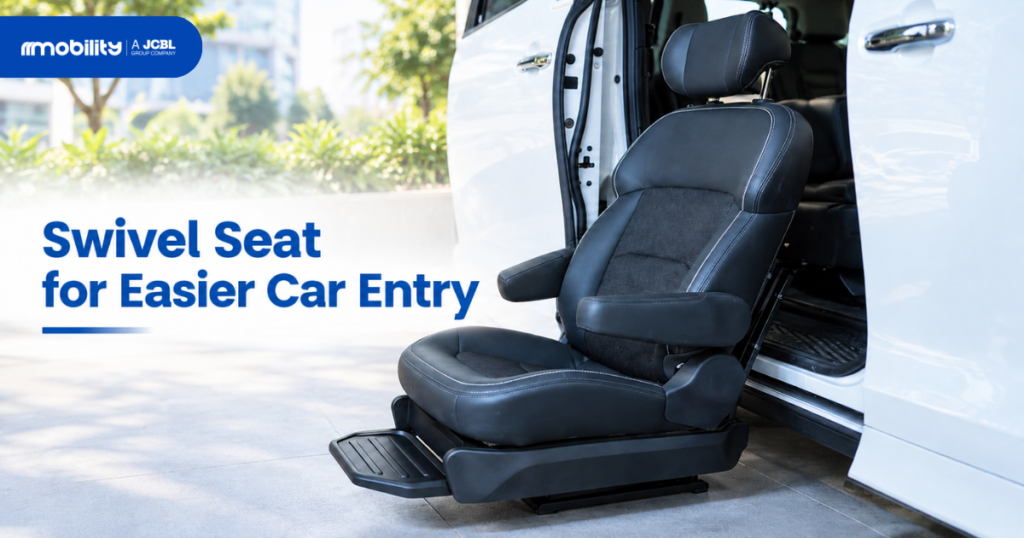
Mobility-related vehicle solutions can make a real difference to help seniors get out. One example of a mobility-related assistive device is the swivel seat, which allows seniors to get in and out of vehicles with ease. Instead of having to awkwardly twist their bodies to exit a vehicle, the senior can push down on the outer part of the swivel seat to effortlessly rotate/turn their body towards the opening of the vehicle reducing the amount of strain on their knees, hips, and lower back.
As seniors become more and more isolated, their ability to move declines even faster. By remaining socially active, seniors put themselves in a position to regularly move and keep a positive emotional outlook.
Some examples of how to stay socially active include:
- Going to the park
- Visiting with family and friends
- Attending community events
- Engaging in your favourite hobby
- Short car
Consider Assistive Mobility Solutions Early
Many families wait until mobility becomes extremely difficult before considering supportive equipment or mobility aids. However, early intervention often provides better long-term outcomes.
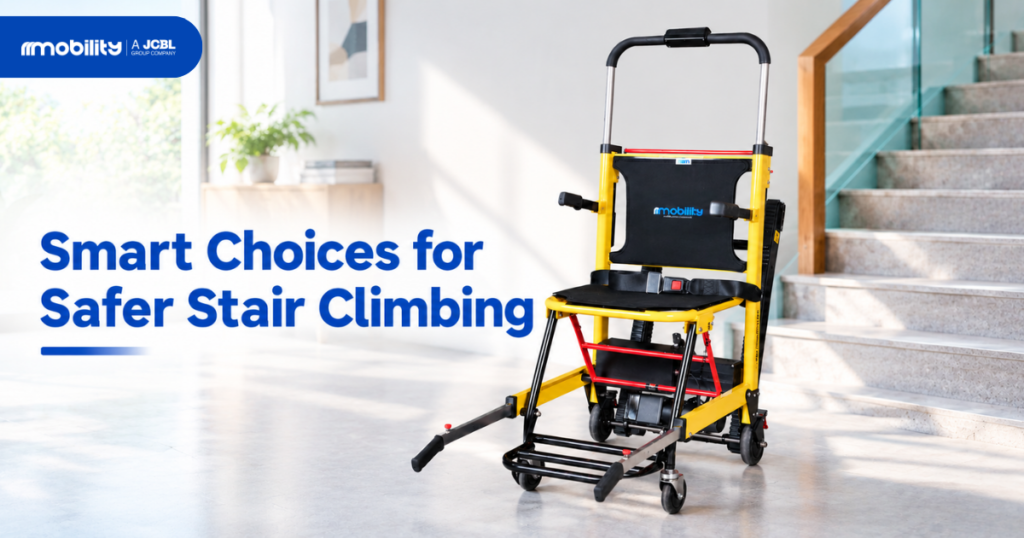
Depending on the individual’s condition, mobility aids may include:
- Walking sticks
- Walkers
- Wheelchairs
- Lift chairs
- Swivel seats for car
Maintain Regular Health Check-Ups
Routine medical assessments are important for identifying mobility-related concerns early on. Regular check-ups can help monitor:
- Joint health
- Bone density
- Balance issues
- Muscle strength
- Neurological conditions
Timely treatment often prevents mobility decline from becoming severe.
Physiotherapists and mobility specialists can also recommend exercises and supportive equipment tailored to individual needs.
Conclusion
Ultimately, helping elderly parents stay mobile is helping them stay independent and confident in daily life. Small lifestyle changes, emotional support, safer environments and modern mobility solutions can make a big difference to their quality of life.
The aim should not be simply to avoid limitations, but to be able to continue to take part in the daily activities of life, whether that is moving around the home, visiting friends and family, or travelling in comfort in a car.
With the right support, older parents can remain active, safe and more independent for years to come.